


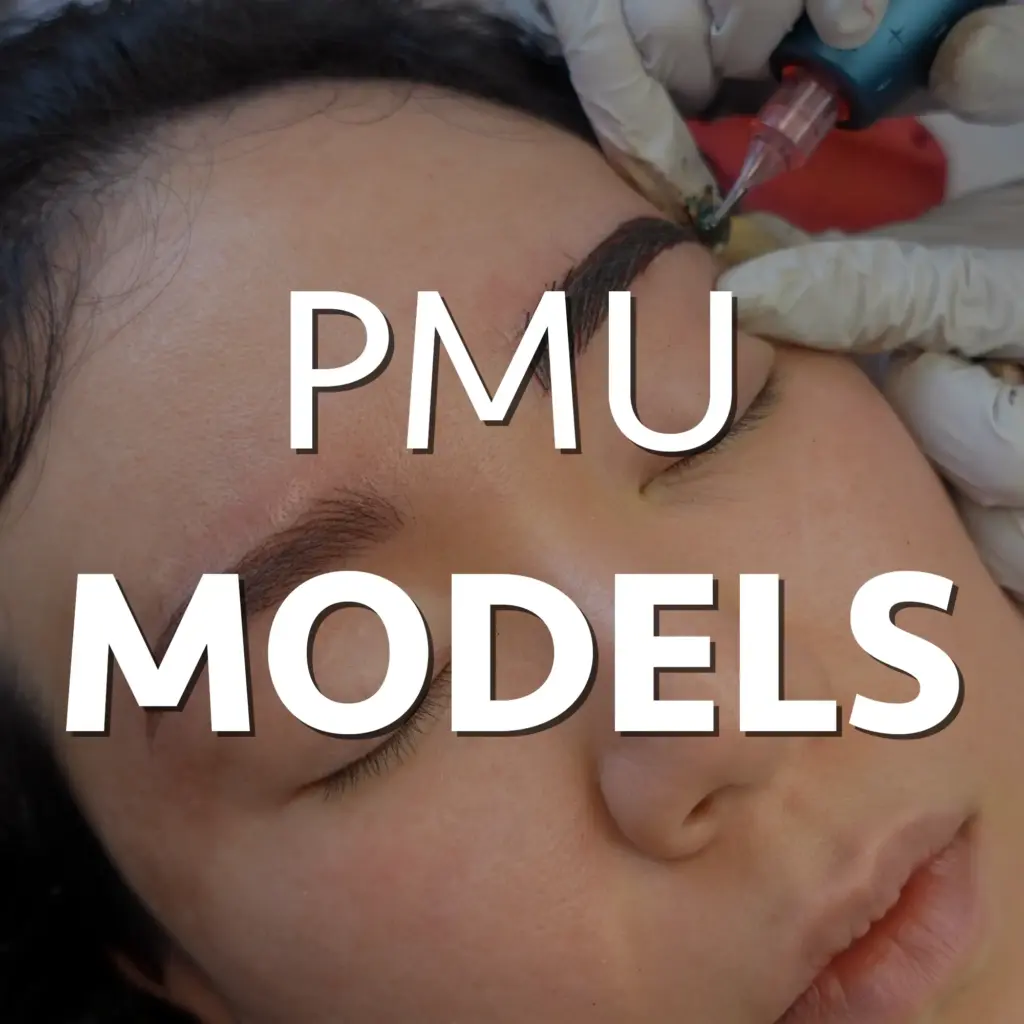
In the world of permanent makeup and paramedical tattooing, technical skill and artistic vision are nothing without one crucial element: physical longevity.
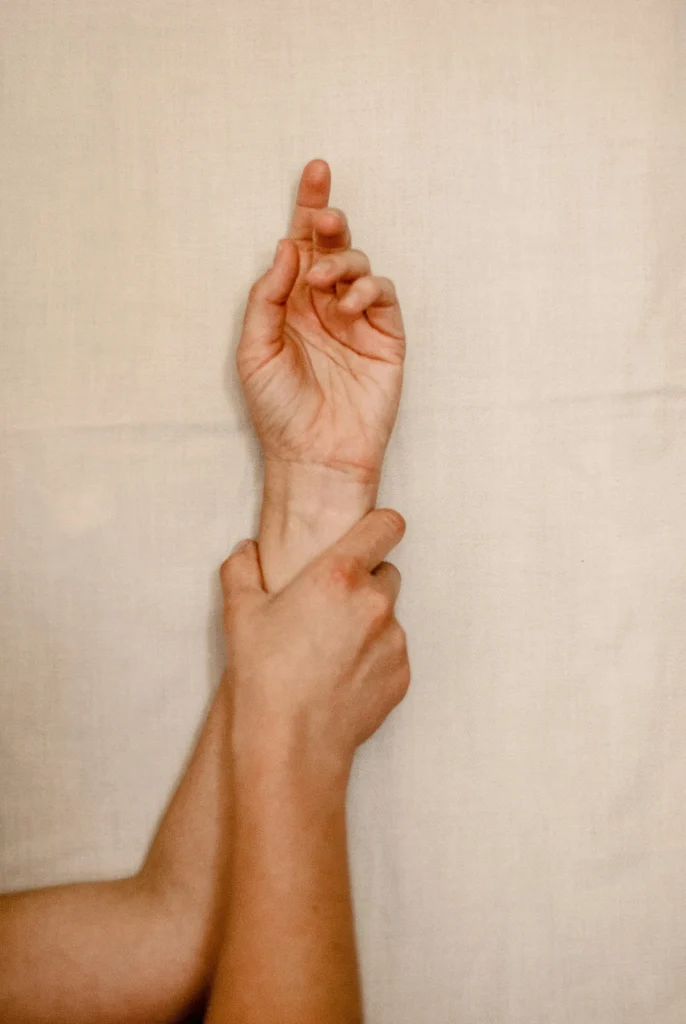
We are technicians of detail, artists of line, and—often without realizing it—athletes of repetition. Behind every perfectly executed Nano Brow or seamless lip blush lies hours of fine motor control, sustained posture, and intense focus. Over time, the body begins to speak. And if we don’t listen, it will speak louder.
Hand strain, wrist stiffness, shoulder tension, and lower back pain are not part of the job description—they’re warnings. But the good news? They’re preventable.
Whether you’re tattooing full days back-to-back or managing clients part-time, these targeted exercises and posture strategies will protect your most valuable tools: your hands, your spine, and your stamina.
Why PMU Artists Are Prone to Overuse Injuries
Repetition is fundamental to mastery. Unfortunately, it’s also a fast track to injury if done without balance.
The most common injuries in our field include:
- Carpal Tunnel Syndrome: Numbness or pain caused by median nerve compression.
- Tendonitis and Trigger Finger: Inflammation in the hand due to repetitive flexion.
- Thoracic Outlet Syndrome: Nerve compression from poor shoulder posture.
- Chronic Neck and Back Pain: Caused by static posture and forward head tilt.
These are not rare complications—they’re occupational hazards for the unprepared artist. Your hands are your livelihood. Your back is your foundation. Protect them accordingly.
The Artist’s Posture: How to Sit, Work, and Breathe
Ergonomic posture isn’t a luxury—it’s survival.
- Your Chair Matters: Invest in an adjustable stool with lumbar support. Your hips should be slightly higher than your knees, with feet planted firmly or resting on a footrest.
- Elevate the Client, Not Yourself: If you find yourself leaning in or twisting at the waist, pause. Adjust your client’s position until your neck and shoulders can relax.
- Anchor the Machine: Use your pinky finger as a support against the client’s skin to stabilize your hand and relieve pressure from your wrist.
Invest in the right chairs and client beds early on. Chronic pain rarely happens overnight. Using subpar equipment that causes bad posture is a recipe for disaster in the long run.
Having the right equipment is essential, but artists must also maintain diligence over their working posture. Every time you catch yourself rounding your spine or shrugging your shoulders, take a moment to reset. You’re not just saving your back—you’re preserving your line quality so you can produce better work for your clients.
Hand Health is Not Optional
Tattooing is micro-movement. It requires strength, flexibility, and precision. A careless grip or a cold start can turn into inflammation fast.
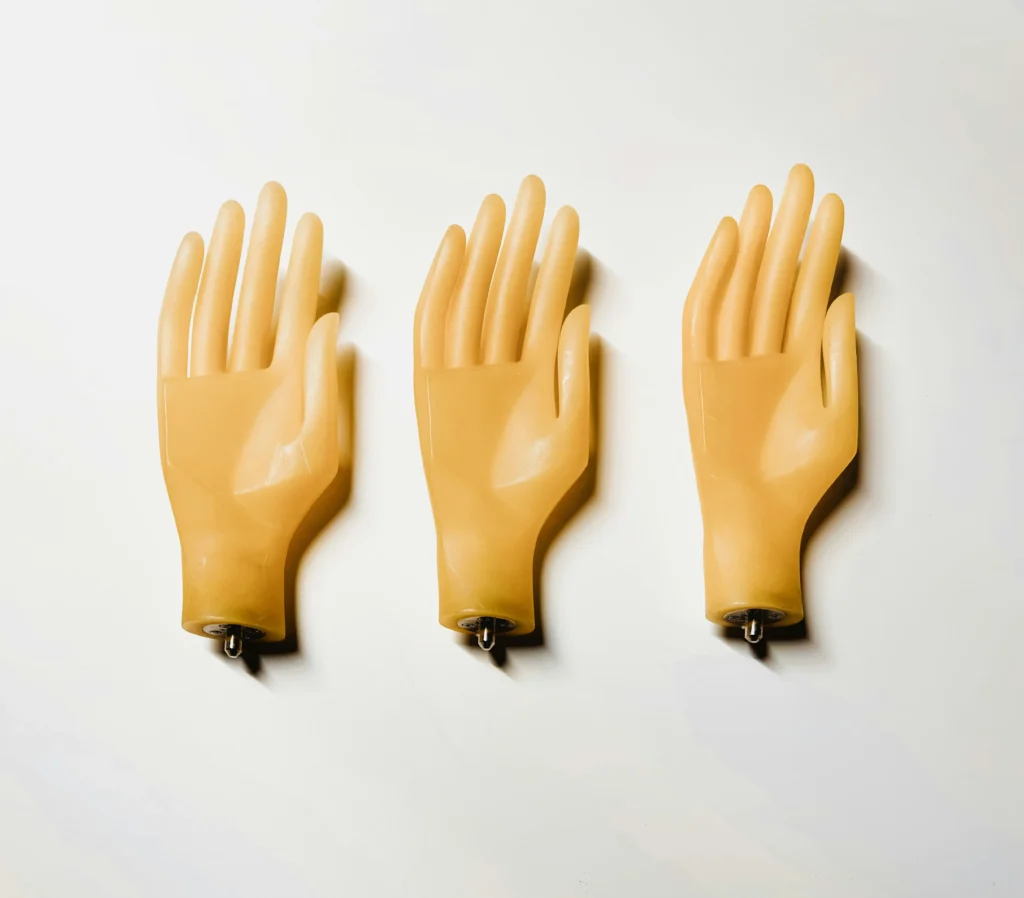
Warm Up: 2 Minutes Before Your First Client
- Wrist Circles: Slowly rotate each wrist in both directions.
- Prayer Stretch: Press palms together and lower them, holding for 10 seconds.
- Finger Flicks: Extend each finger outward, flicking with light force to awaken the tendons.
Micro-Breaks: Between Clients
- Shake it Out: Let your hands dangle and gently flick them.
- Pencil Rolls: Hold a pencil between your fingers and roll it back and forth.
- Thumb Pulls: Gently pull each thumb back and hold.
Cool Down: After Your Day Ends
- Tendon Glides: Move from a closed fist to a flat palm to a splayed finger stretch.
- Grip Work: Use a soft stress ball to gently squeeze in repetitions.
- Forearm Stretch: Extend your arm, palm down, and pull back your fingers.

These movements should be as routine as disinfecting your machine. They’re not extras—they’re essentials.
Strengthening the Core (Yes, Really!)
Your back and neck don’t act alone. They depend heavily on a strong core.
Incorporate basic movements like:
- Planks (30 seconds, 3 sets)
- Bird-Dog (3 sets of 10 per side)
- Cat-Cow stretches (for spinal flexibility)
These can be done right in your studio before your first client. Even a few minutes a day will improve your endurance and reduce strain during procedures.
Machine Technique Matters Too
Even with the best posture and strength, poor handling habits will sabotage your body.
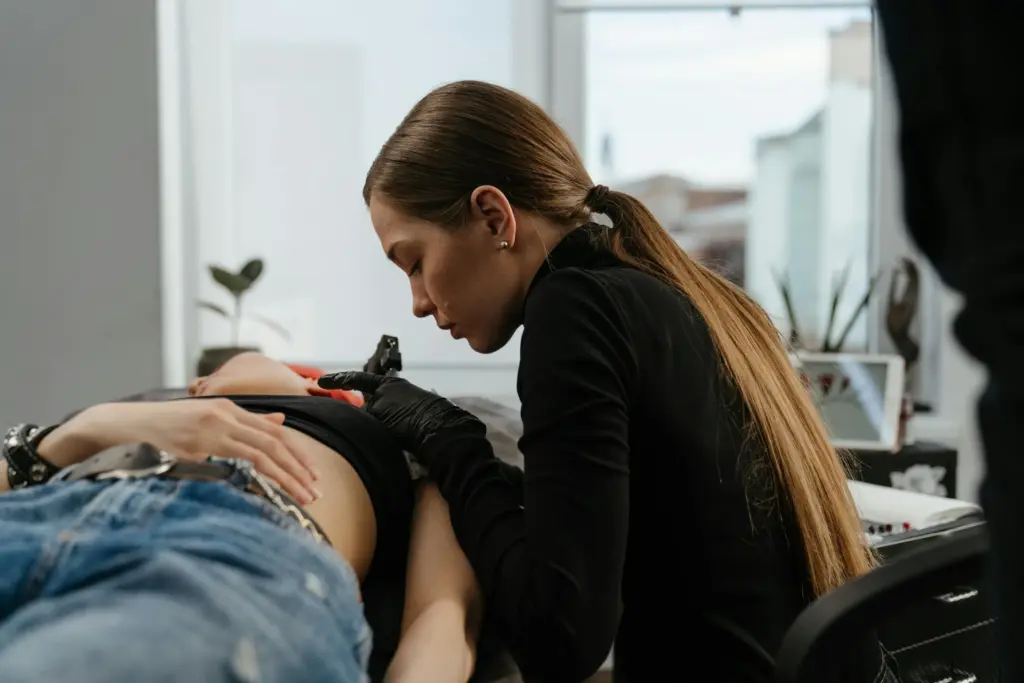
- Loosen Your Grip: Your hand should be light, not clamped. Tension equals fatigue.
- Use a Weighted or Balanced Machine: The RealTint® PRISMA and PULSE machines are engineered for ergonomic use—let them do the work.
- Keep Voltage Within Comfort Range: If your lines feel heavy, slow down the machine instead of increasing pressure with your hand.
Smooth movement begins at the wrist—but comfort begins with your setup.
Protect Your Tools. Preserve Your Craft.
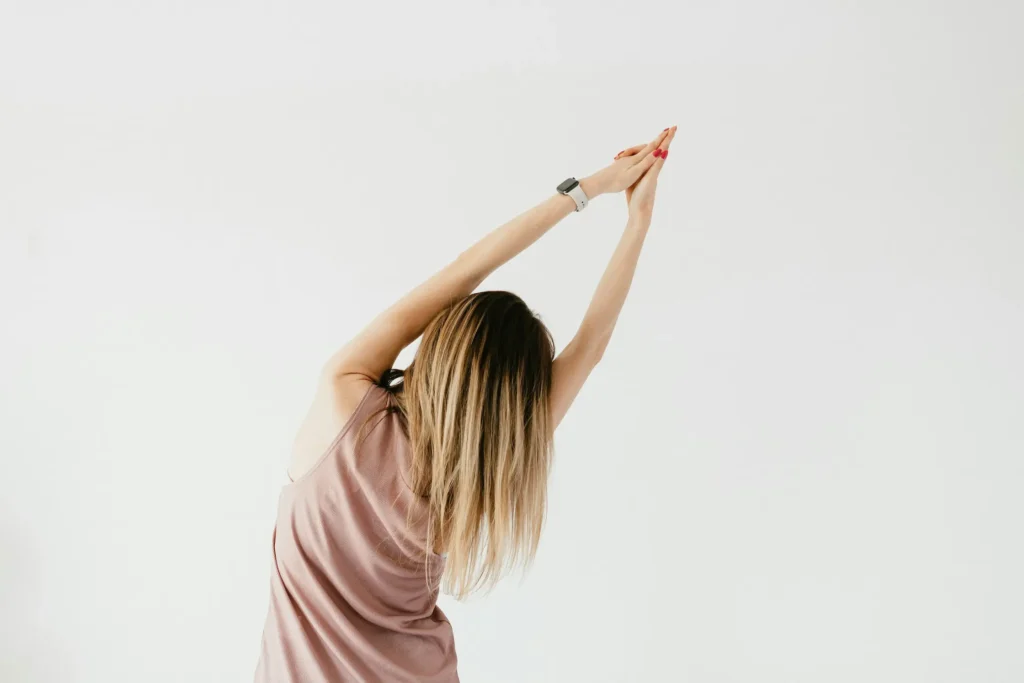
The difference between a good artist and a great one often lies in endurance. A sharp hand today means nothing if you lose your range of motion tomorrow.
Respect your hands. Train your posture. Build your endurance. Your clients may never know how much strength and discipline goes into the work you do—but your body will.
And it will thank you for every stretch, every breath, and every ergonomic adjustment you choose today.


