


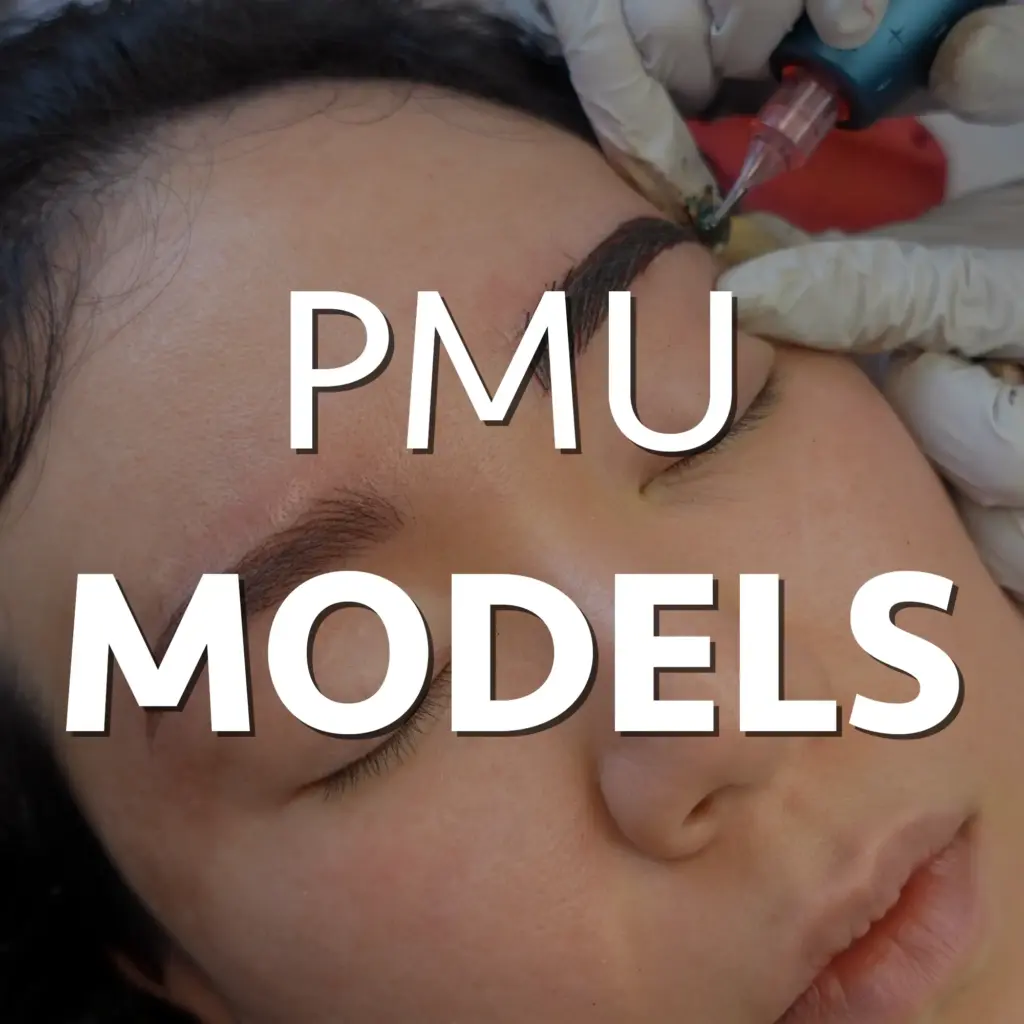
Eyebrows are the unsung heroes of the face. If the eyes are the windows to the soul, then the eyebrows are the frames that define the view. They frame a multitude of emotions, signal both jovial and stern personalities, and mirror the ever-shifting cultural standards of beauty, gender, and power. Over time, thin and thick eyebrow styles have oscillated in and out of favor, shaped by iconic figures and shifting societal ideals.
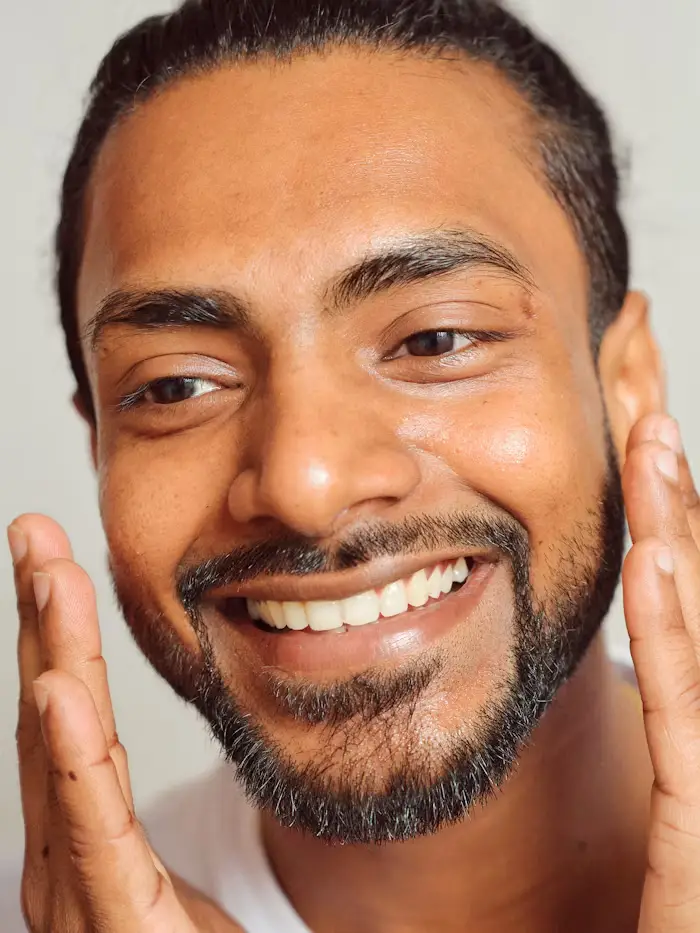
As we enter pride month, let’s explore how the most influential men and women of historical and modern times have used their brows to assert style, identity, and even defiance.
The Eyebrow as a Gendered Symbol

Eyebrows do more than aesthetic heavy lifting; they can contribute meaningfully to how masculinity or femininity is perceived.
Masculinization is the process of emphasizing features to align with traditionally male characteristics. Thicker, straighter brows with enhanced volume tend to read as more masculine. These eyebrow features complement the prominent brow ridge and deep-set eyes associated with masculinity, projecting strength or ruggedness.
Feminization is the process of emphasizing features to align with traditionally female characteristics. Higher arches, softer volume, and refined symmetry are feminizing elements. These attributes lift the face, soften features, and have historically been associated with youth and grace.
At Hyper Real Academy, we take pride in our role of helping clients explore the aesthetic choices that make authentic gender expression possible. While these traits reflect generalized American gender norms, we recognize that gender is a profoundly personal experience. PMU (permanent makeup) practitioners regularly use Eyebrow Design as a tool to support clients in their gender affirmation.
Historical Eyebrow Trends and Female Icons
Eyebrows mirror the values of their era. Let’s look at how the brow style reflected deeper societal aesthetics:
Ancient Egypt: The Kohl Legacy
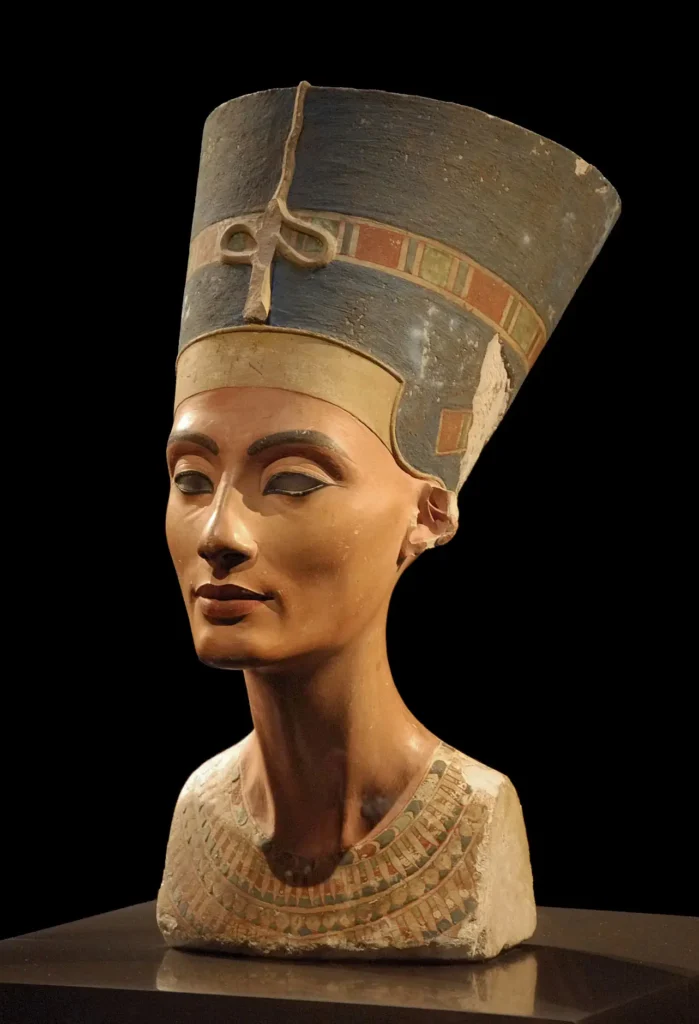
Icon: Queen Nefertiti
Trend: Dark, extended, almond-shaped brows using kohl.
Meaning: Eyebrow grooming transcends vanity, becoming an act of spiritual practice. Strong eyebrows were linked to protection and divine beauty.
1920s–1930s: The Sorrowful Arch
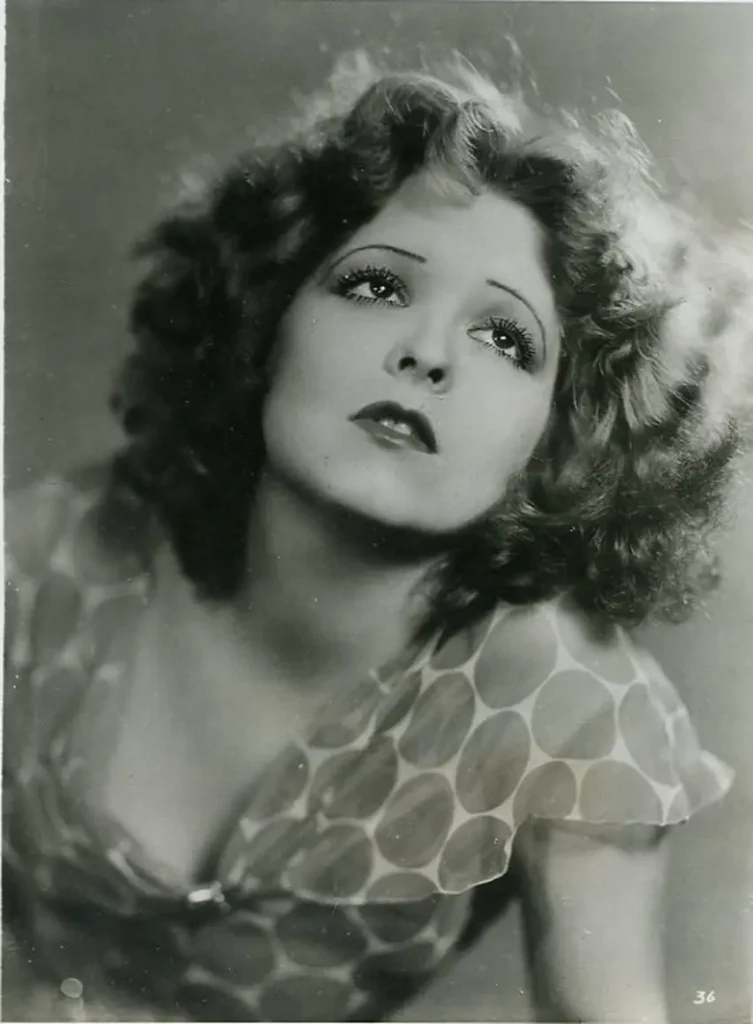
Icon: Clara Bow
Trend: Super thin, downward-arching brows.
Meaning: These eyebrows carry the eyes downward to convey a sense of vulnerability. Taylor Swift invoked Clara Bow as both namesake and muse for her song, drawing from the silent-era starlet’s legacy of allure and rebellion.
1950s: Full and Glamorous
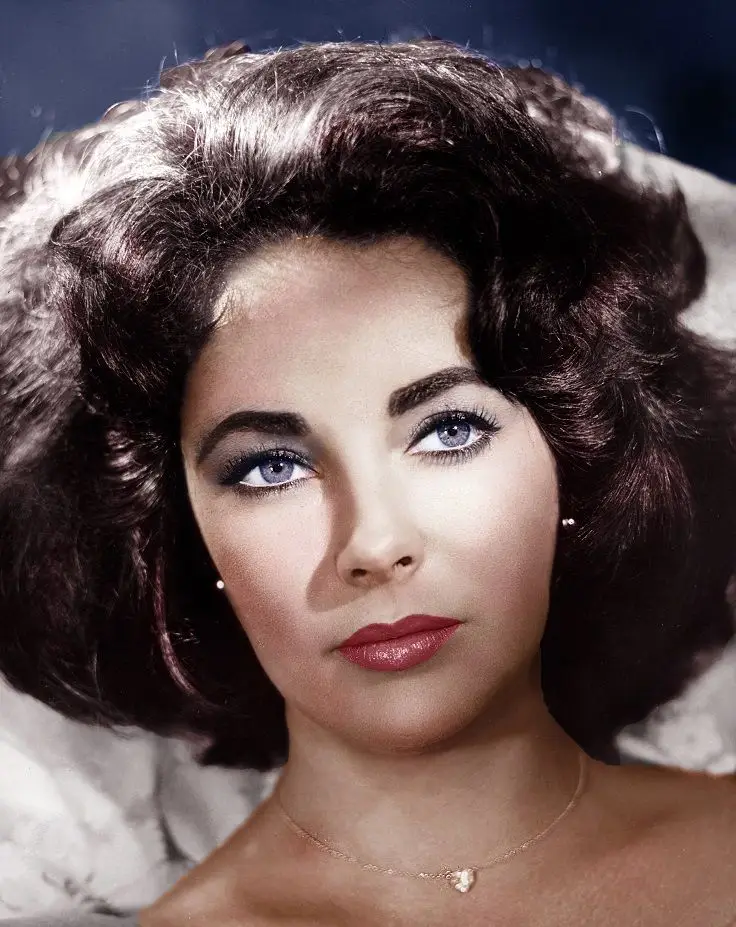
Icon: Elizabeth Taylor
Trend: Fuller brows with sculpted arches.
Meaning: Glamour was back, and strong brows were once again celebrated as structured but womanly. A declaration of femininity in the post-war domestic ideal.
1980s: Bold and Bushy
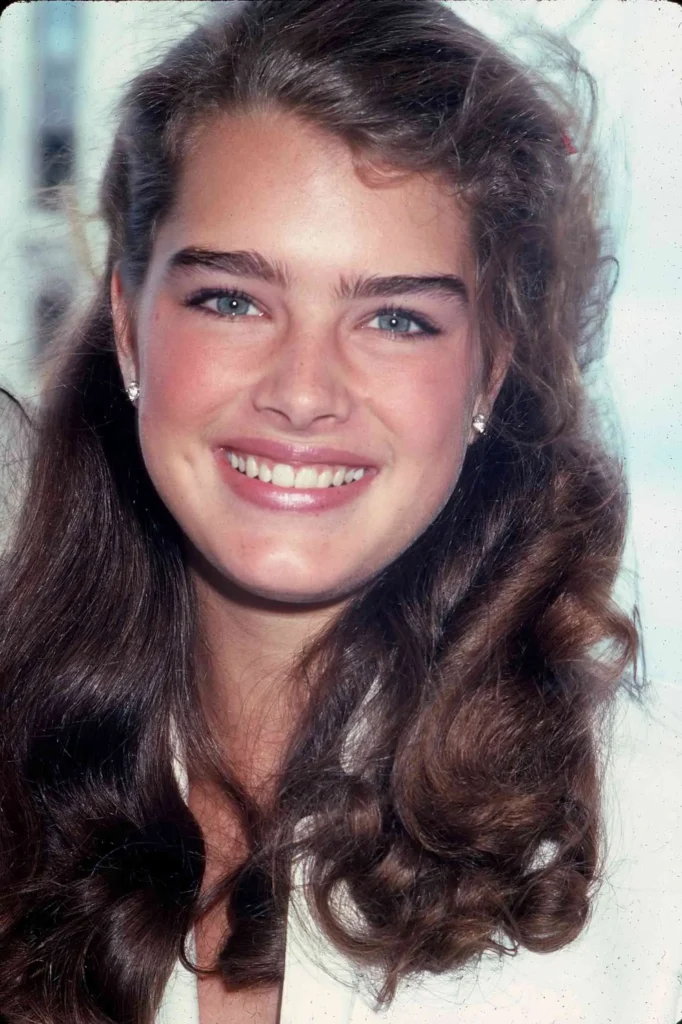
Icon: Brooke Shields
Trend: Natural, thick brows.
Meaning: A rejection of delicacy. These brows said, “I’m untamed.” They emphasized youth, strength, and confidence.
1990s–2000s: The Razor Line
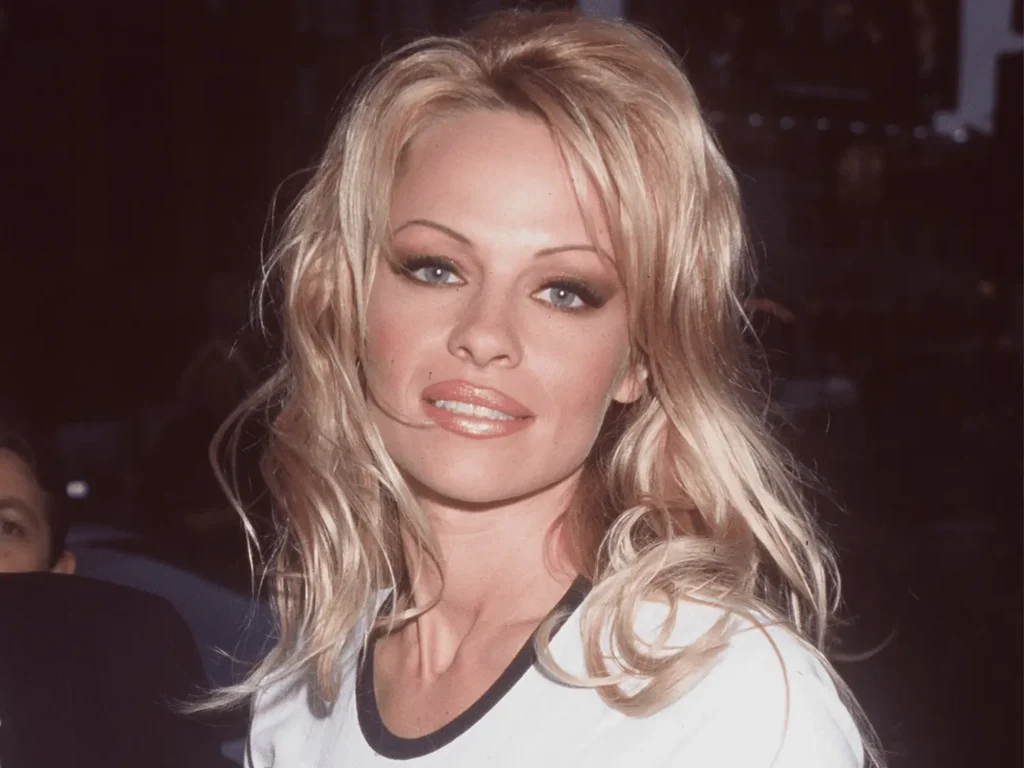
Icon: Pamela Anderson
Trend: Pencil-thin, arched brows.
Meaning: Often cited today as an overcorrection to the ’80s. At the time, they represented hyper-defined femininity and sometimes a gritty edge.
2010s–Present: The Era of Individuality
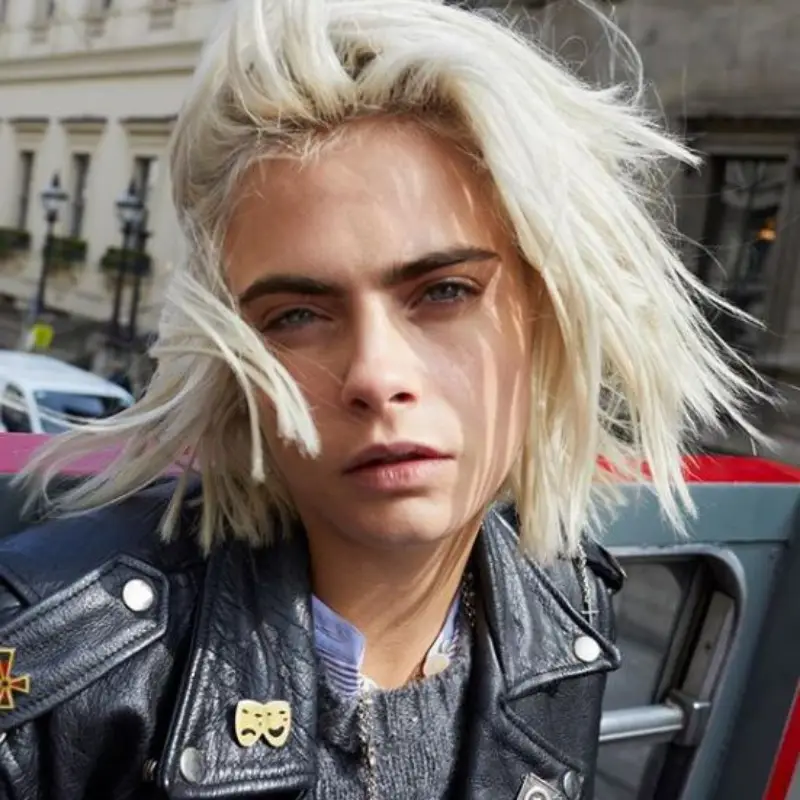
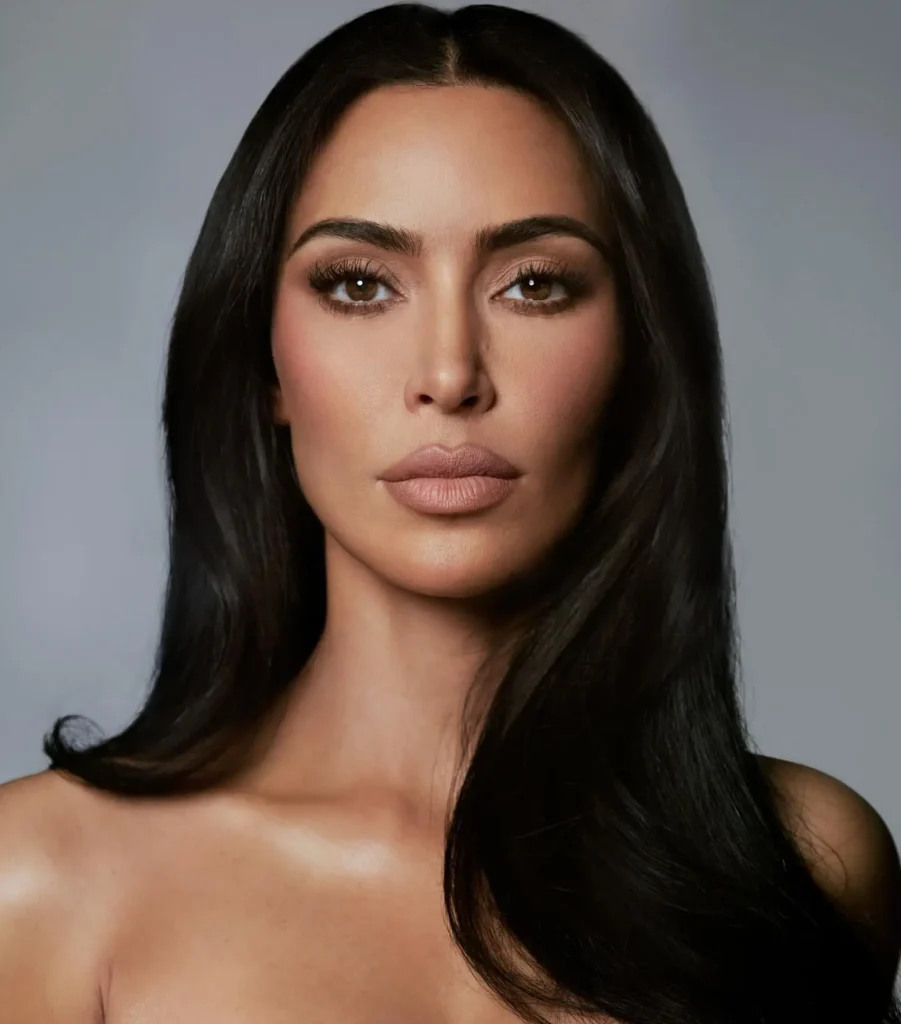
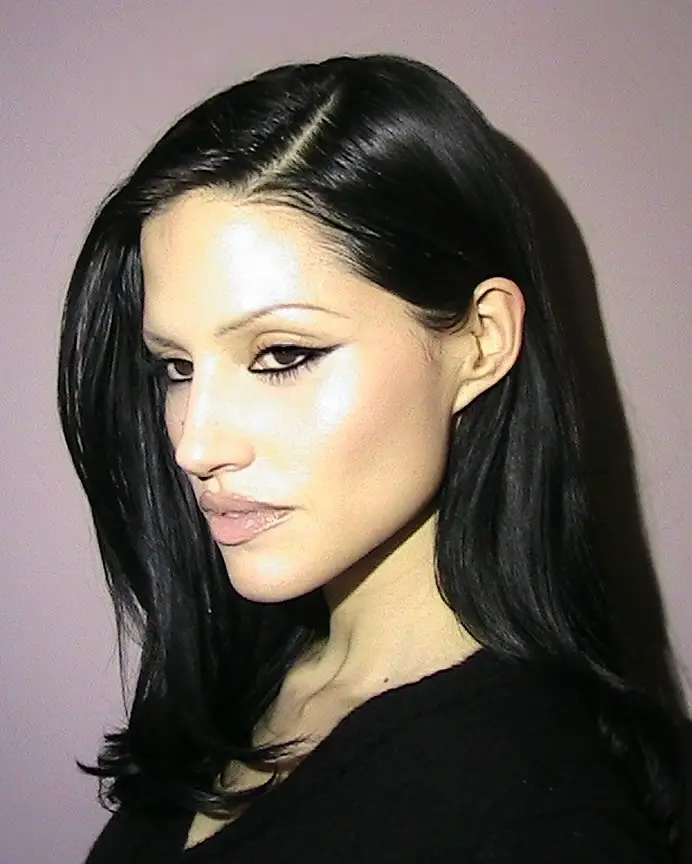
Image: @caradelevingne (left), @kimkardashian (middle), @gabbriette (right)
Icon(s): Cara Delevingne, Kim Kardashian, Gabbriette
Trend: Thick, brushed-up brows to meticulously structured arches.
Meaning: As social media gained influence, unified beauty standards gave way to a fragmented world of fleeting micro-trends. We see laminated brows, bleached brows, feathered brows; all representing the individual’s interpretation of trends, curated perfection, and high fashion.
Male Brow Evolution and Influence
While women’s eyebrow styles have historically shifted with fashion, male grooming was long culturally coded as taboo or vain. That’s changed:
Old Hollywood: Natural Power
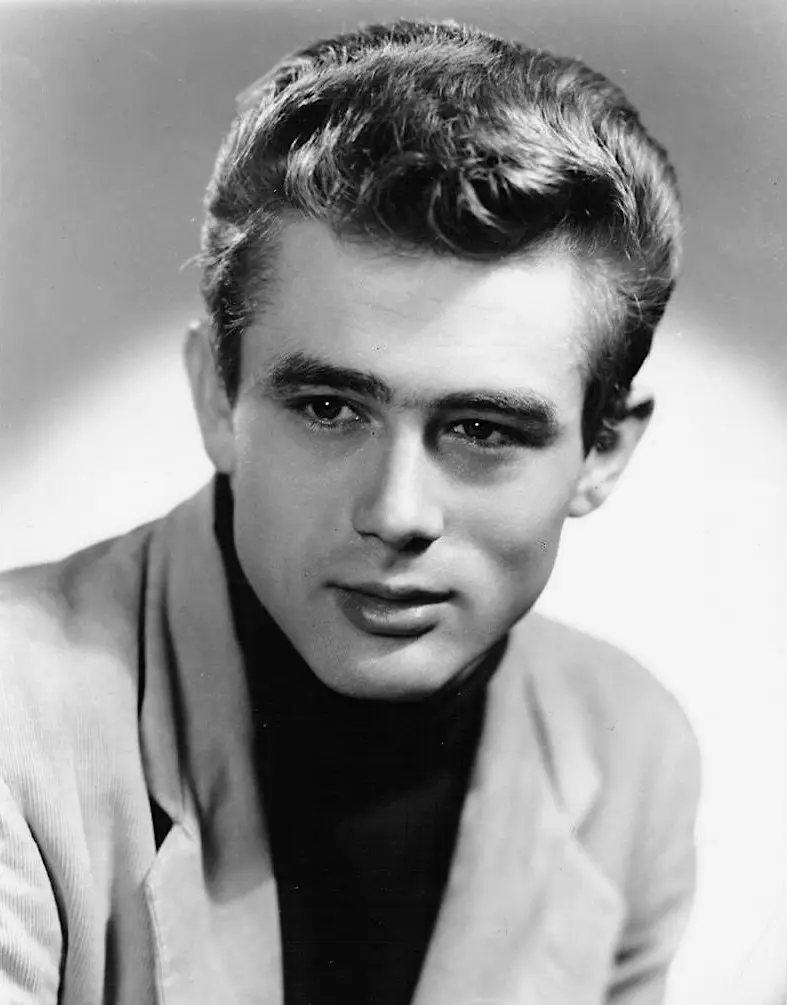
Icon: James Dean
Trend: Naturally thick, low-maintenance brows.
Meaning: Authentic masculinity; nothing contrived. Naturally dense hair volume translated well on camera, conveying the intensity and stoic glamour prized in the male icons of black-and-white cinema.
2000s Metrosexual Wave
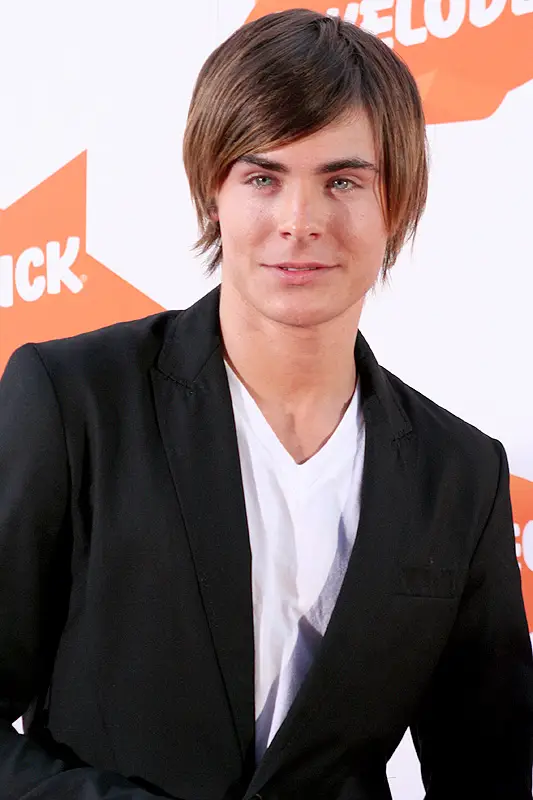
Icon: Zac Efron
Trend: Precise shaping and grooming of full volume brows.
Meaning: No sooner had male grooming gained social acceptance than it ascended to aspirational status, propelled by the fervent rise of Y2K-era male icons. The metrosexual male beauty standard of the early 2000s embraced meticulous grooming, fashion-forward styling, and a polished appearance that blurred traditional lines between masculinity, femininity, and vanity.
2010s–Present: The Era of Individuality
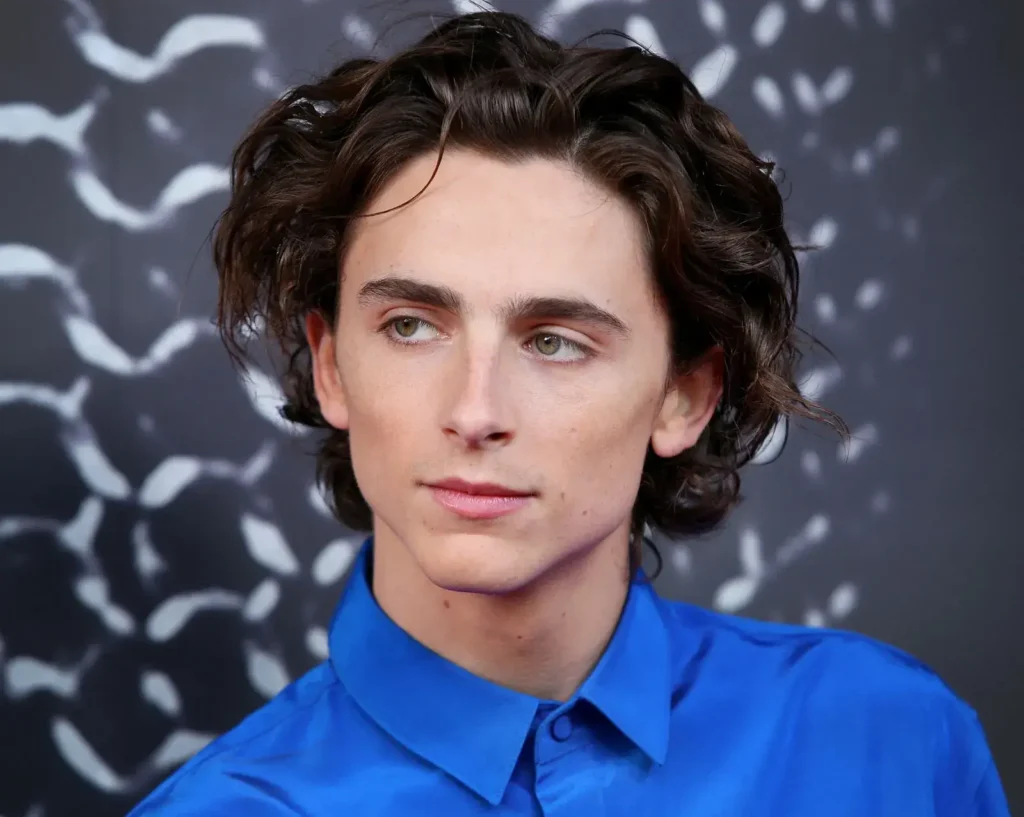
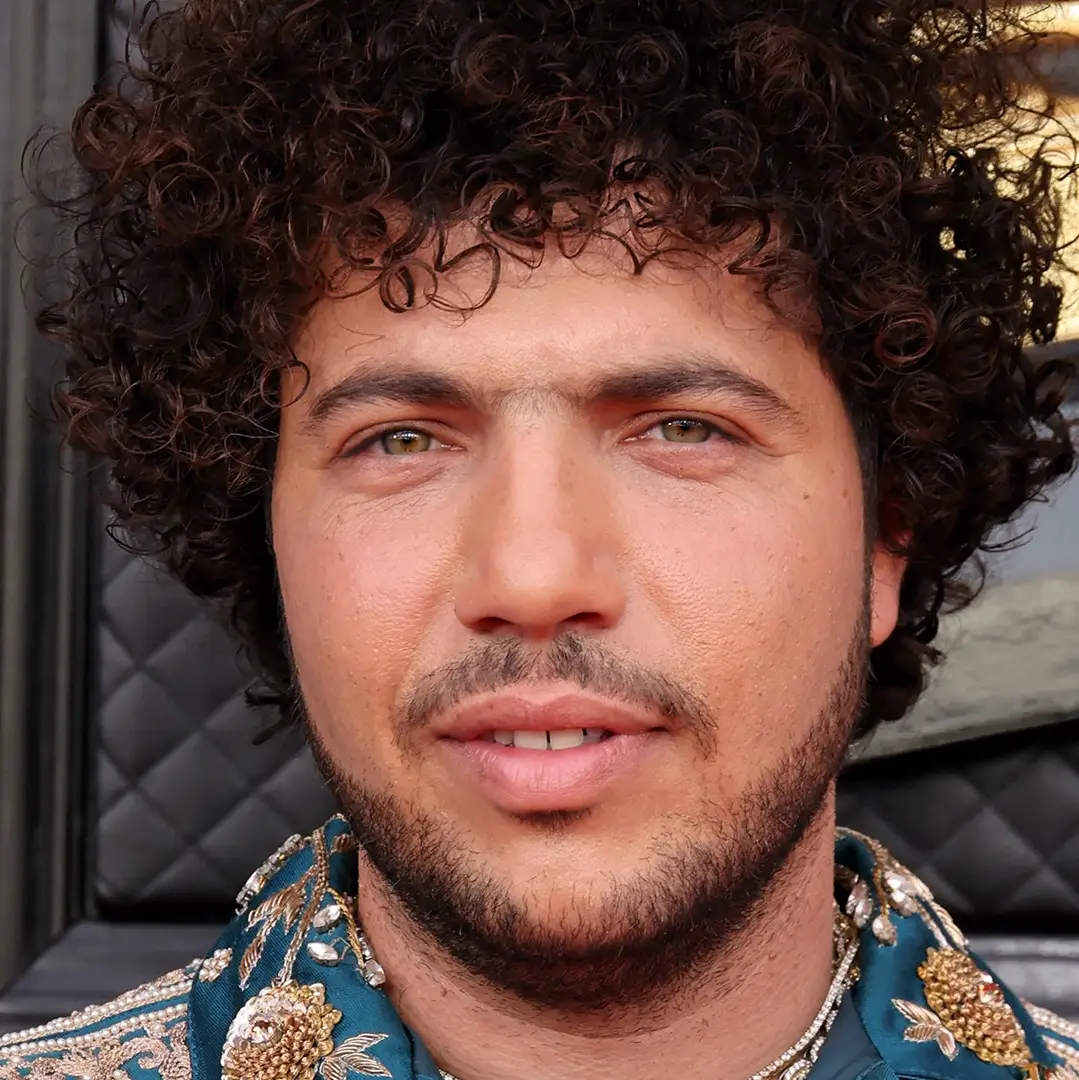
Image: Getty Images x2
Icon: Timothée Chalamet, Benny Blanco
Trend: Individualistic brows, often left natural but occasionally shaped for subtle balance.
Meaning: The contemporary male brow no longer signals a rigid gender role. Soft masculinity and expressive individuality are welcome.
Aesthetic and Psychological Impacts of Eyebrow Choices
Eyebrows hold extraordinary power. They reflect personal grooming habits and the cultural values we align with, both intentionally and subconsciously. Clients who choose bold, thick brows often project confidence or modernity, while those who opt for thinner brows may express elegance, trend-savviness, or a love for vintage aesthetics. But these interpretations only scratch the surface.
The PMU Artist’s Role in Modern Brow Identity
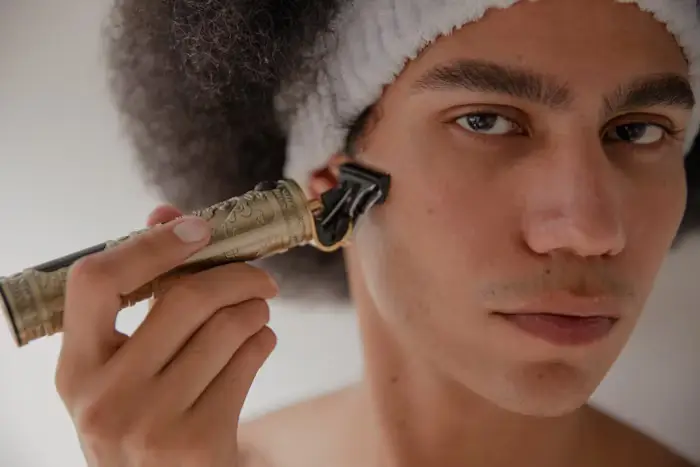
With RealTint® Nano Brows, permanent makeup evolves from enhancement to precision artistry. RealTint® machines and proprietary PMU techniques allow artists to reintroduce facial harmony after hair loss, enhance the brow structure, and correct asymmetry. Techniques like RealTint® Nano Brows offer hyperrealistic hair strokes that mimic natural growth with astonishing precision. The result is a professional design that enhances confidence and affirms facial identity. Hyper Real Academy exists to empower clients to see themselves more clearly and beautifully, every day.
After all, as Shakespeare once wrote: “The eye of man hath not heard, the ear of man hath not seen…”—but eyebrows? They’ve always known exactly what to say.


