


PMU Is No Longer a Weekend Class
PMU is no longer the “let’s take a weekend class and jump in” world. Safety concerns, the permanence of the work, evolving technology, and growing consumer expectations have all pushed the industry somewhere new.
More states and accrediting bodies are tightening standards. As an instructor and practitioner, I’ve seen firsthand how elite performance is shifting to be the standard, not something you merely aspire to.
Here’s what changed, what it means for your license, and what you should do about it in 2026.
What AAM Board Certification Means
The American Academy of Micropigmentation (AAM) is one of two major certifying institutions in the permanent makeup and micropigmentation space. Licensing requirements vary from state to state, yet the standards set by the AAM and the Society of Permanent Cosmetic Professionals (SPCP) remain consistent for artists practicing throughout the United States, and even internationally.
In some states, such as New Jersey and Massachusetts, board certification from the AAM or SPCP is a prerequisite to licensure or to being recognized fully as a practitioner.
What's Changed for AAM and SPCP Board Certification
As of 2025, all AAM board-certificated members must complete a recertification process every two years. Lifetime certification is gone. All certifications must be kept current to maintain compliance, meaning artists are required to complete recertification to continue working legally in the states that require board certification.
The AAM now requires artists to complete supplemental training with certified educators and submit documented proof of technical proficiency, including before-and-after photos of client procedures.
PMU artists certified by the SPCP must also commit to recertification every two years. If renewal is not submitted on time, the credential may be forfeited and re-testing may be required. Similar to the AAM, recertification by the SPCP requires proof of continuing education.
Both institutions require a current Bloodborne Pathogen Certificate within the two-year period of recertification.
Why This Matters for Our Industry
The biggest shift: many artists’ credentials were instantly rendered expired and invalid once the change took effect.
This change in board certification signals to regulators and clients that the artist has gone above basic training. That matters in states where PMU is regulated as body-art or medical-adjacent, and it immediately raises the bar in any state where licensing regulations are governed by the AAM or SPCP.
Trainers must also align with AAM/SPCP criteria in order to practice in regulated states like New Jersey. Programs have to be restructured around ongoing accountability, not one-time, lifetime certifications.
What's Changed for Clients and Trainees
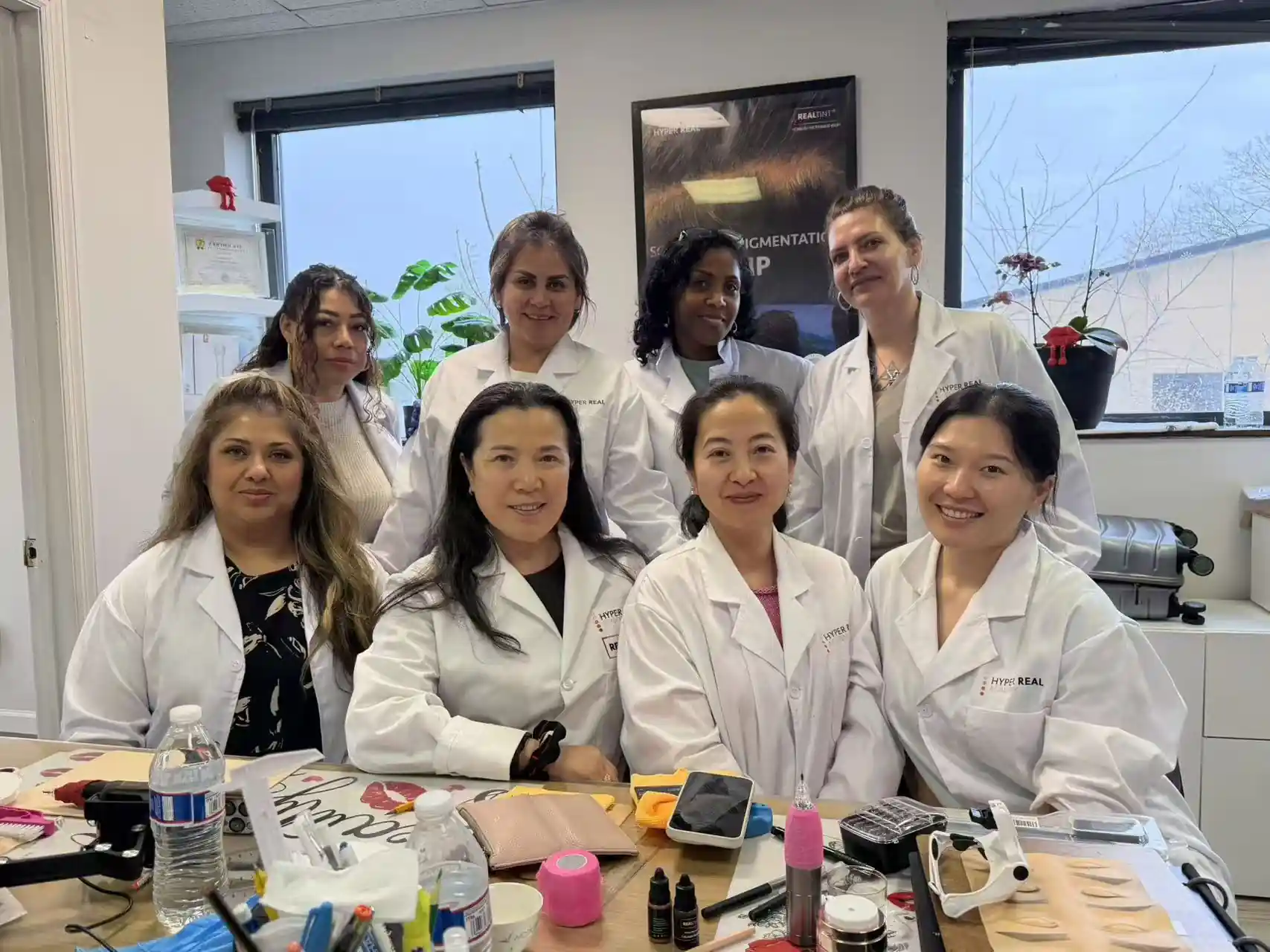
If you’re a student, this new rule might feel like an added hurdle. In reality, it works in your favor. Board certification distinguishes you more than ever before, positioning your services to attract high-value clients who prioritize expertise and precision.
Uncommitted and unscrupulous practitioners who treat PMU like a “cash grab” are disincentivized, which will undoubtedly reduce cases of botched tattoos in 2026. If you’re a potential client, understand that added regulations are never an issue for artists who are committed to providing quality work.
What to Expect in 2026
Continuing Education and Recertification
Recertification isn’t uniformly required everywhere yet, but the AAM Gold model recertifies every two years, and artists should expect continuing-education requirements to land in more states.
The recertification requirement is the necessary push many artists need to move on from outdated methods and embrace modern, evidence-based techniques. By 2026, there is no valid reason for artists to continue relying on microblading alone. With continuing education now a formal requirement, artists have the chance to invest in advanced or specialized training with board-certified educators.
This shift raises the industry standard across the board and marks a major turning point for PMU. As the field continues to evolve with cutting-edge technology, these updates create more opportunities than ever for artists to grow, specialize, and thrive.
Regional Disparities Shrink
Regulation remains patchwork, yet there is movement toward standardization of certain core requirements: bloodborne pathogen certification, client intake records, insurance, model logs, and exam standards.
PMU, especially paramedical tattooing, is frequently used in medical settings, yet it remains far less regulated than most medical aesthetic procedures. PMU often delivers results that are more permanent than injectables or laser treatments. Raising standards across the industry is a meaningful advancement, offering greater protection and long-term value to clients who choose these procedures.
Technological and Safety Standards
Because PMU breaks the skin and intersects with medical implications, regulators must pay more attention to safety, cross-contamination, and full-scope training. There is no doubt that modern technology outperforms manual hand techniques.
Clients in 2026 should expect a shift toward new technology and a further rejection of unreliable traditional techniques.

What You Should Do as a PMU Artist in 2026-2027
One thing nearly all struggling PMU artists have in common: their technical skills aren’t strong enough to compete at a professional level. Here’s how to make sure you’re not one of them.
- Select a training program that aligns with the high standards clients expect. If your only PMU training comes from a single weekend course, you might not be meeting the licensing requirements set by your state.
- Ensure your program is AAM/SPCP certified if you plan to work in a state where your licensure depends on it.
- Plan for recertification and continuing education. Credentialing is no longer “one and done.” Choose programs that support continuing education so you will be fully supported as you progress in your career.
- Complete full documented procedures. Recertification will require detailed documentation of your work to evaluate quality after licensing.
- Secure liability insurance and complete bloodborne pathogen training before doing client work. All states make this mandatory.
- Check your local health board and facility licensing. The studio where you operate often must also be licensed and inspected as a body-art establishment.
- Stay updated on state and municipal rules. You can view licensing requirements by state here.

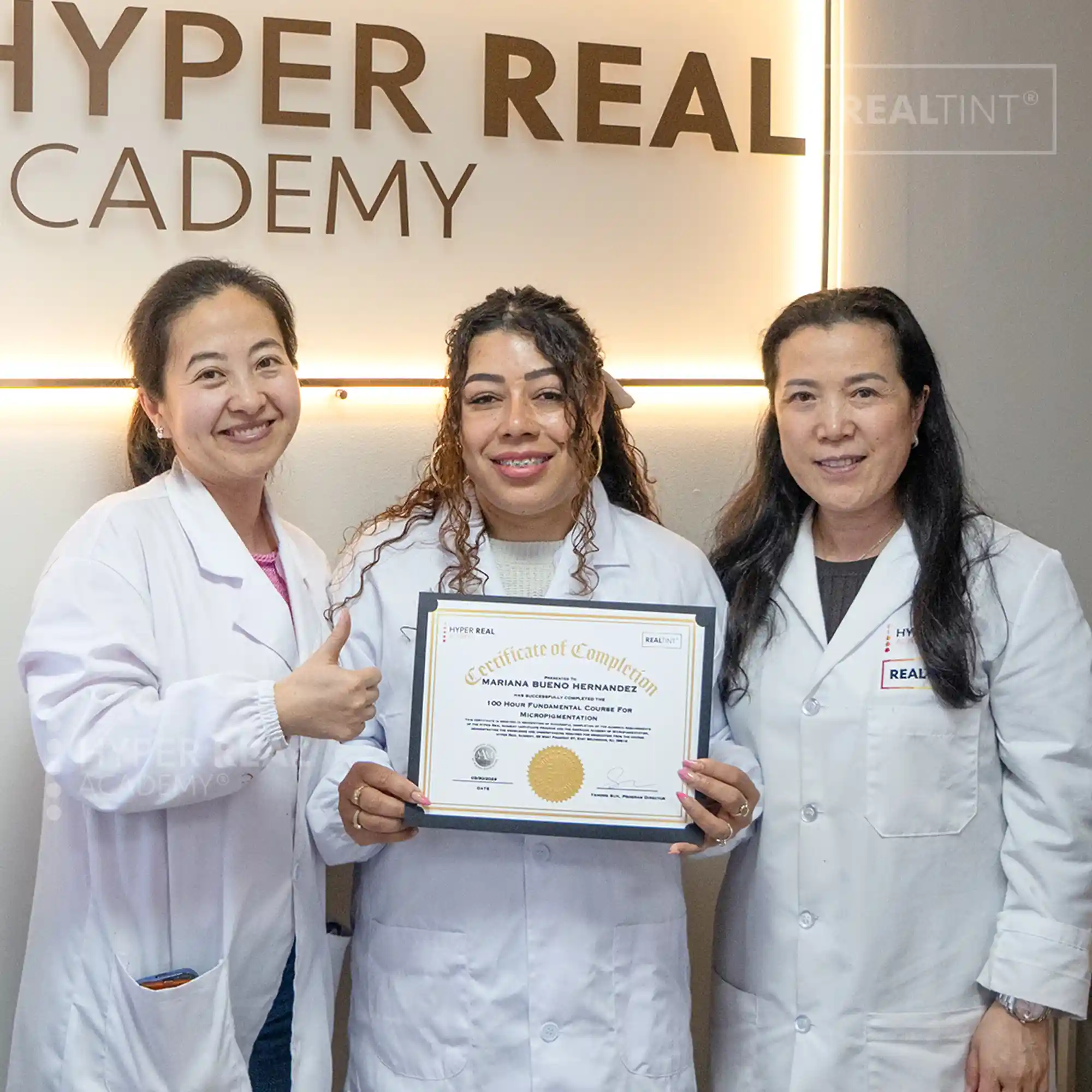
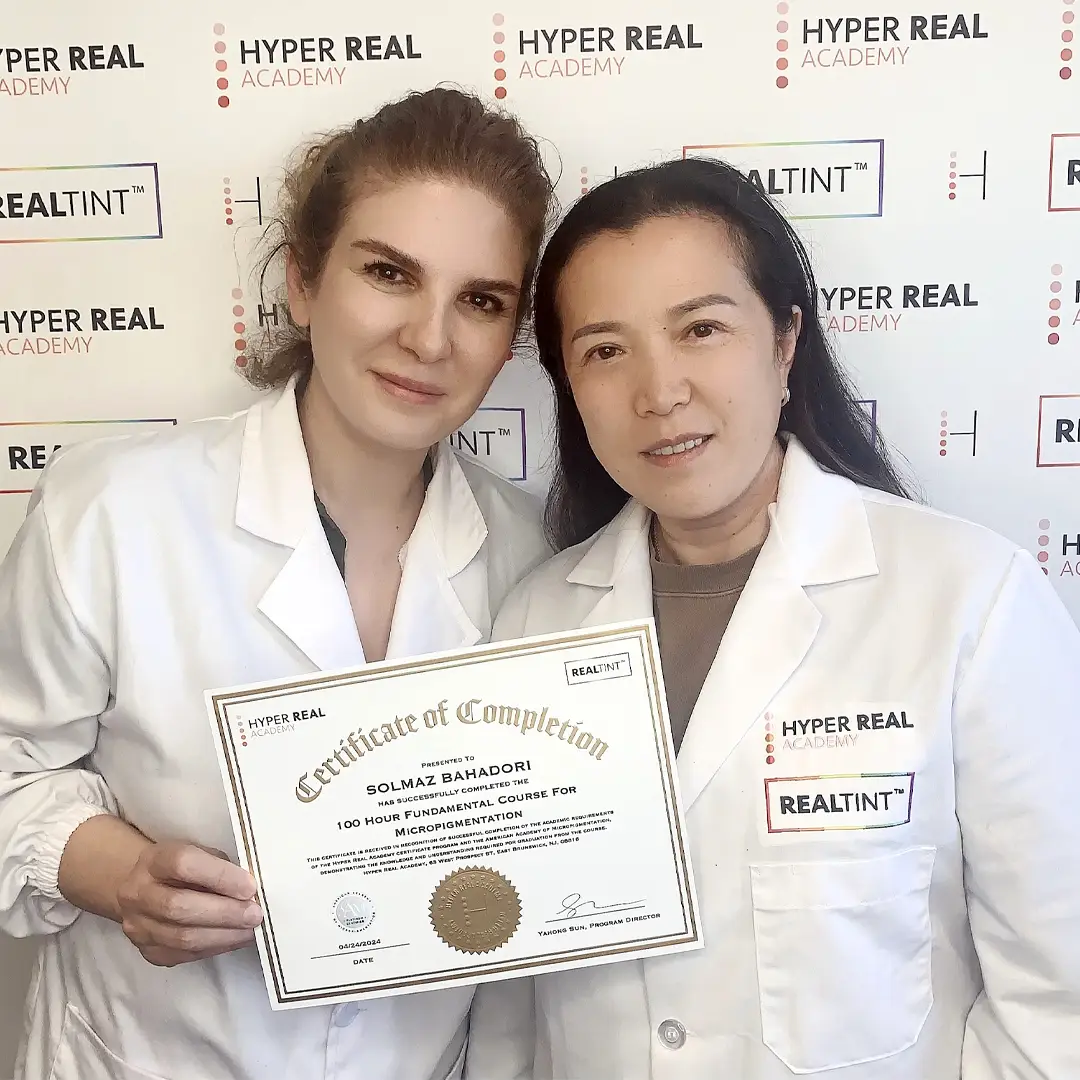
As a fully compliant training institution under the AAM’s new recertification standards, Hyper Real Academy® has already developed targeted recertification programs designed not just to help artists retain their credentials, but to meaningfully improve their skills and elevate their work. These programs go far beyond the bare minimum, reflecting our commitment to excellence in every phase of your PMU journey.


